How to Stop Being Hard on Yourself
Posted: May 2, 2023
[caption id="attachment_4547" align="aligncenter" width="1000"]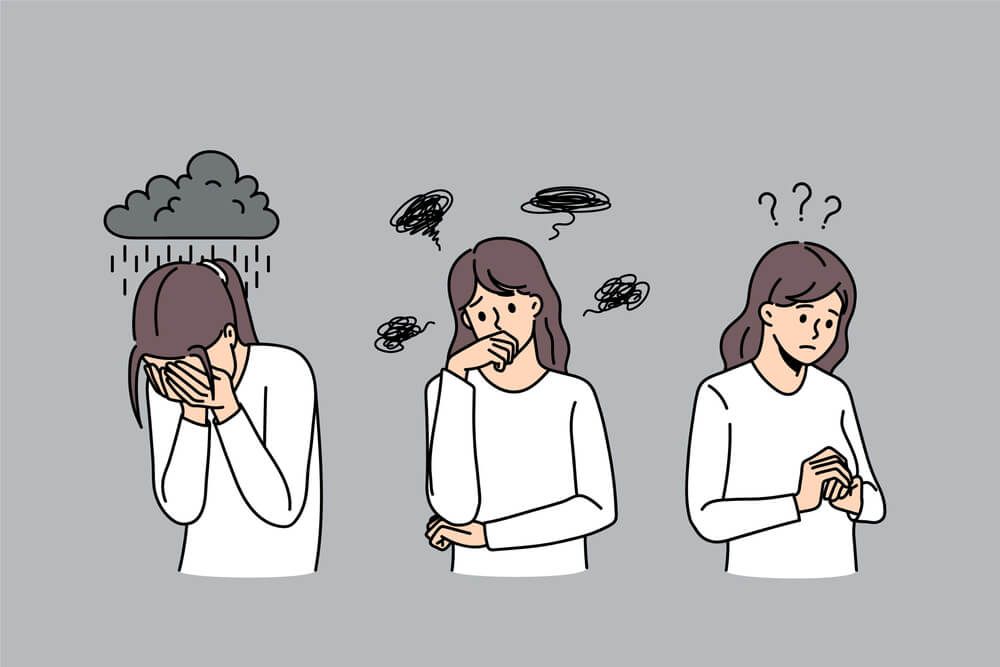 Photo credit: © plittle_prince – depositphotos.com[/caption]
Why is it that we can be so gentle and compassionate with other people, yet so hard on ourselves? We even see this trait in others, supporting that co-worker who’s struggling to be perfect, or that friend worrying about saying the wrong thing at a social event, or that fellow shopper embarrassed by their child’s meltdown.
But when it’s us in those types of situations? We don’t give ourselves any of that compassion. Instead, we torment ourselves with self-criticism, we lose sleep, or we reach for old, unhealthy behaviors.
We’re not born saying negative things to ourselves. Then we hear messages like, “It’s not polite to brag,” or that other people’s needs are more important than our own.
It’s hard work undoing these messages and battling things like the imposter syndrome and feeling like we’re not good enough.
Speaking negatively about yourself can also be a defense mechanism, wanting the listener to reassure you that you’re not bad or stupid. You may not realize you’re doing that—until you get that response and feel comforted by it. Eventually, you’ll gain more awareness of your state of mind and how you’re seeing yourself, and be able to give yourself that assurance. That’s the ultimate healing.
Photo credit: © plittle_prince – depositphotos.com[/caption]
Why is it that we can be so gentle and compassionate with other people, yet so hard on ourselves? We even see this trait in others, supporting that co-worker who’s struggling to be perfect, or that friend worrying about saying the wrong thing at a social event, or that fellow shopper embarrassed by their child’s meltdown.
But when it’s us in those types of situations? We don’t give ourselves any of that compassion. Instead, we torment ourselves with self-criticism, we lose sleep, or we reach for old, unhealthy behaviors.
We’re not born saying negative things to ourselves. Then we hear messages like, “It’s not polite to brag,” or that other people’s needs are more important than our own.
It’s hard work undoing these messages and battling things like the imposter syndrome and feeling like we’re not good enough.
Speaking negatively about yourself can also be a defense mechanism, wanting the listener to reassure you that you’re not bad or stupid. You may not realize you’re doing that—until you get that response and feel comforted by it. Eventually, you’ll gain more awareness of your state of mind and how you’re seeing yourself, and be able to give yourself that assurance. That’s the ultimate healing.
What is helpful when you’re being hard on yourself?
- Reduce negative self-talk. You might need to change the language (harm reduction) first, before abstaining altogether from negative judgmental comments about yourself. Then you can aim to stop saying certain words, or referring to yourself in a certain way.
- Increase positive self-talk. Using self-deprecating talk only solidifies what you’re saying to yourself. The same is true for positive self-talk. Try it daily for 30 days, and start where you are so it feels authentic. For example, in Mirror Work by Louise Hay, she eases you in with affirmations like, “I want to like you.”
- Practice self-compassion. Check out these guided practices and exercises from Dr. Kristin Neff, that help you understand self-compassion and how to practice it. We talk a LOT about self-compassion in therapy sessions.
- Seek support. Check things out with someone you trust—someone who supports you, but who also encourages you.
- Help someone else. This gives you a fresh perspective on your life and your problems, and gets you out of your self and your ruminating thoughts for a bit.
- Press the reset button. Change your surroundings, take a bath or shower, or go for a walk. Did you know that the movement of your eyes from left to right as you take in your environment can be very soothing? That’s part of what we harness in the eye movement therapies we use.